Resurrectio
Initial Evaluation
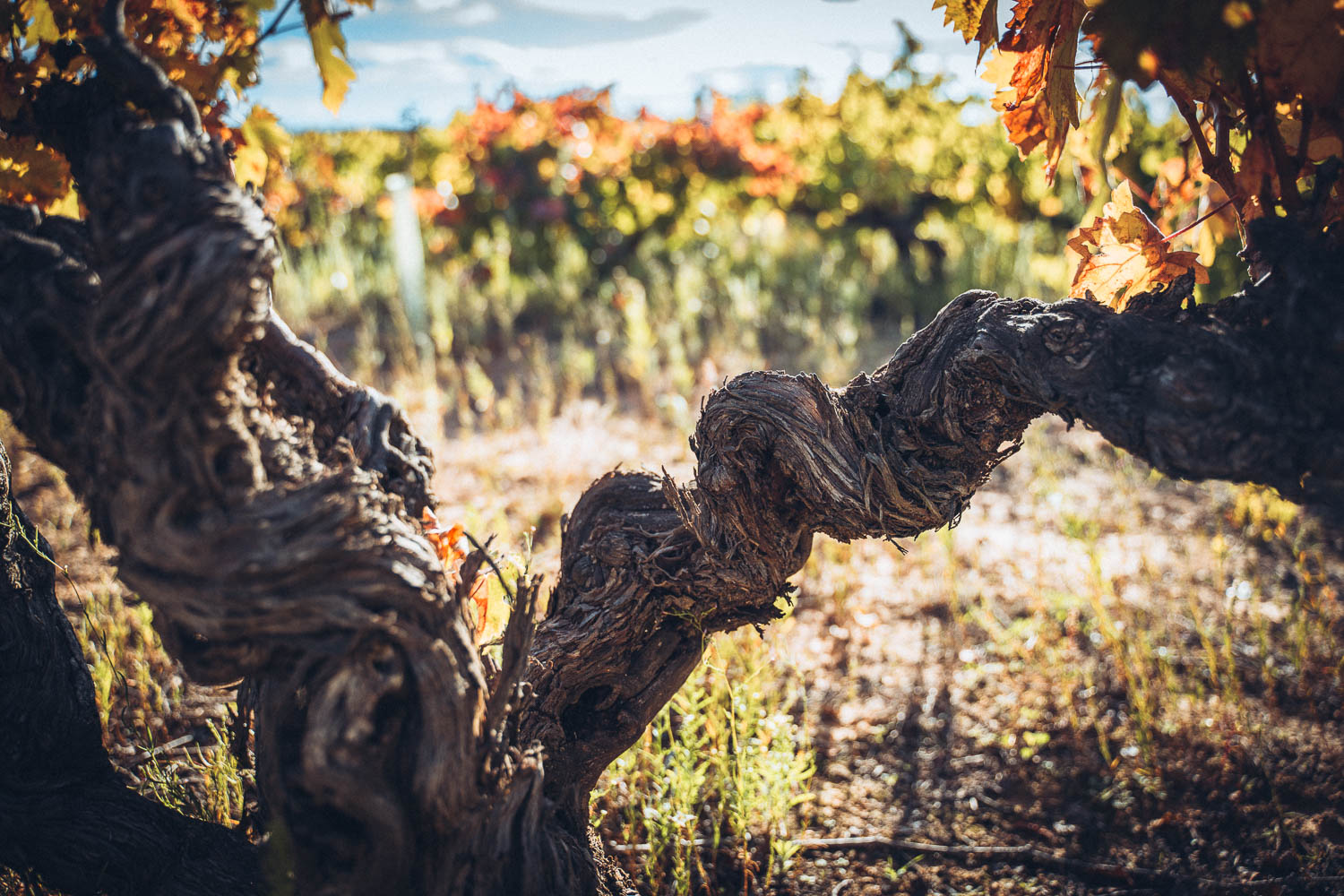
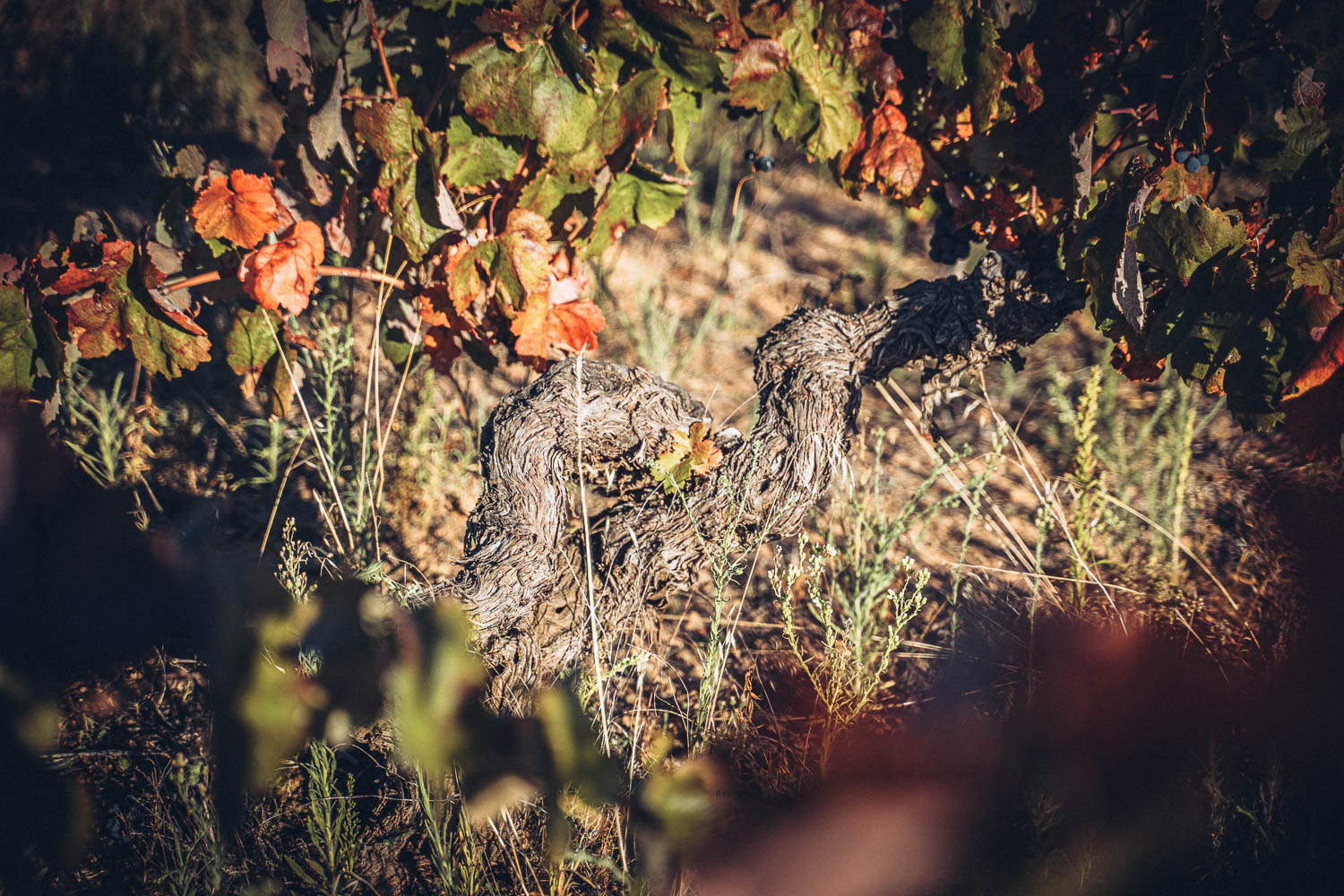
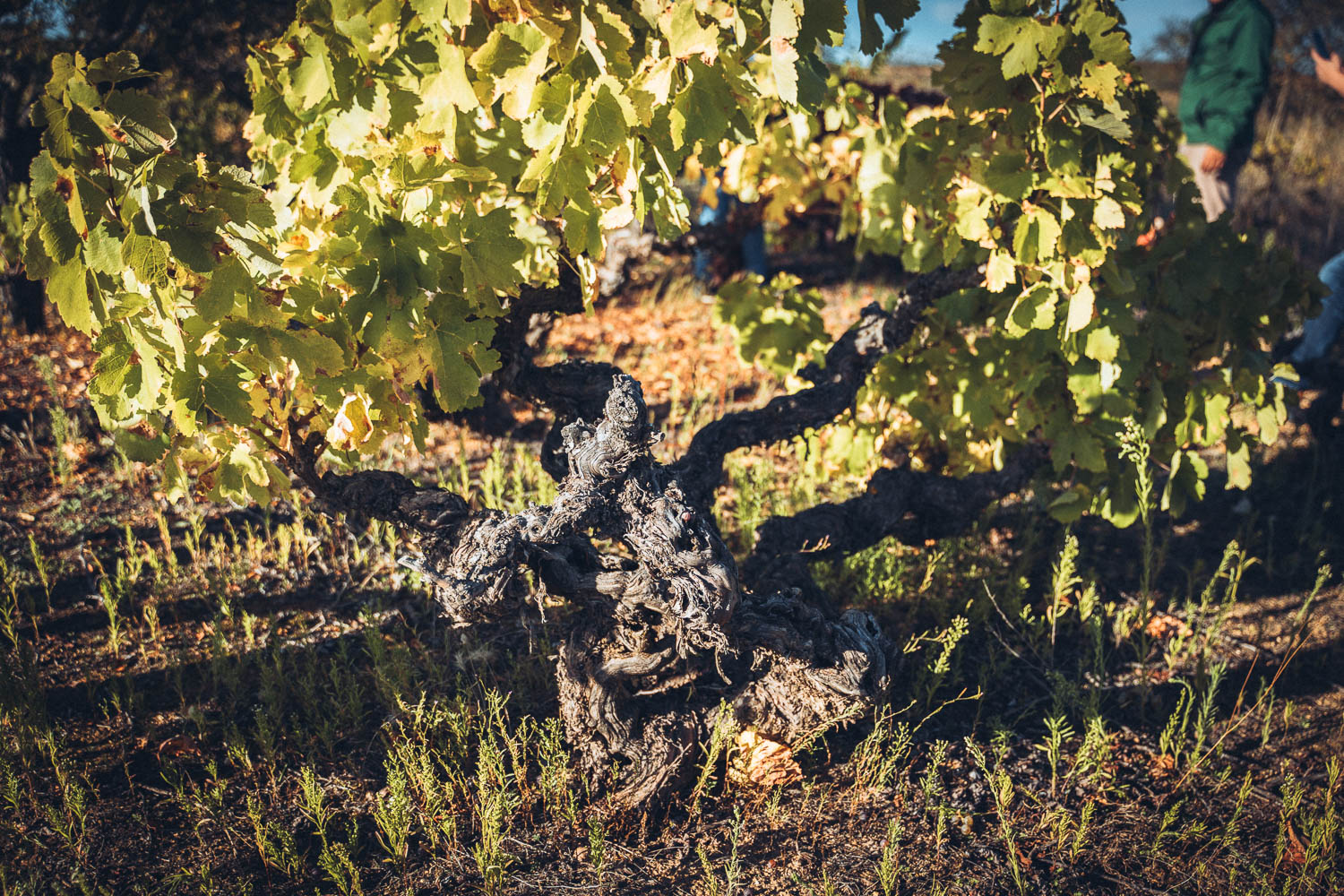
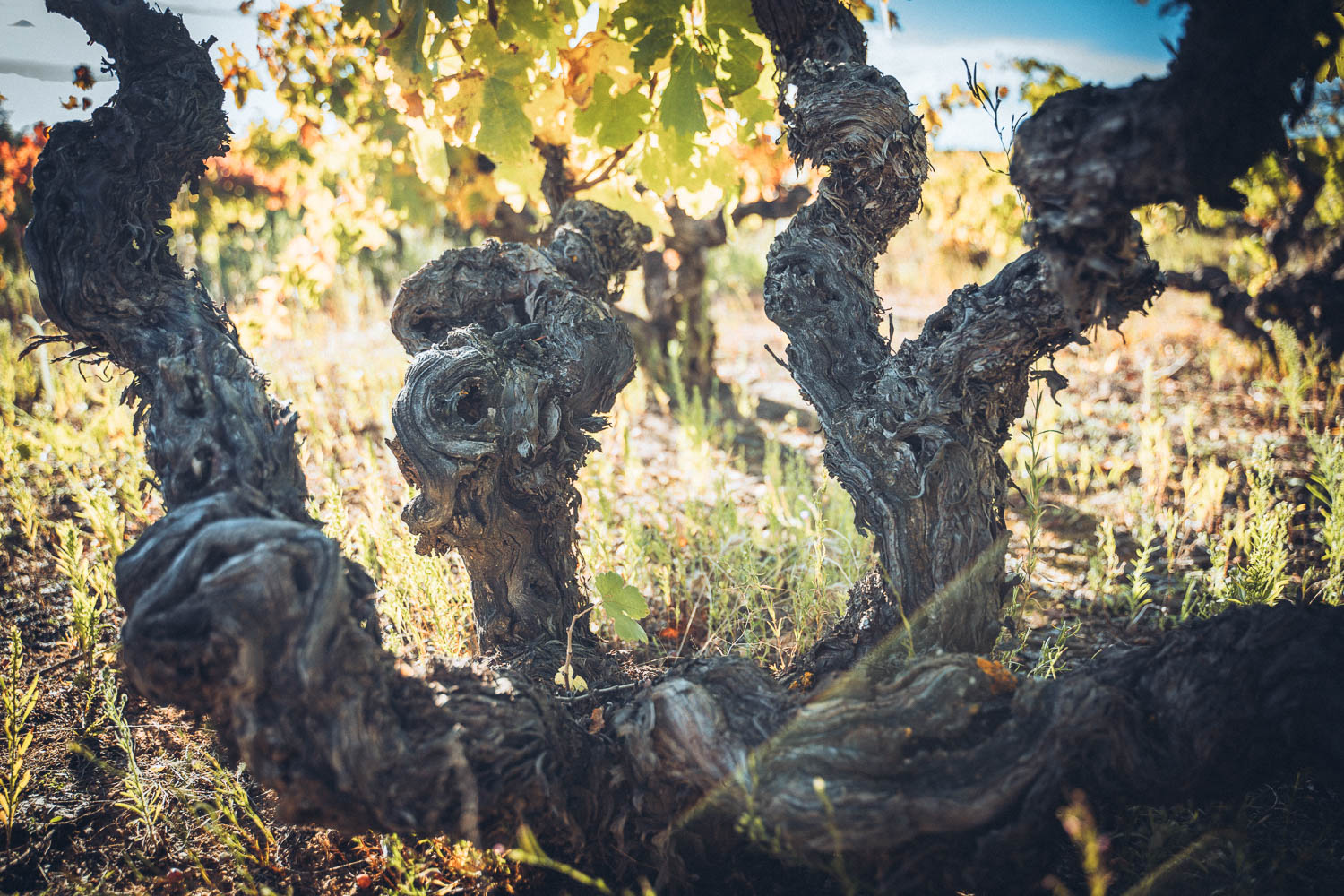
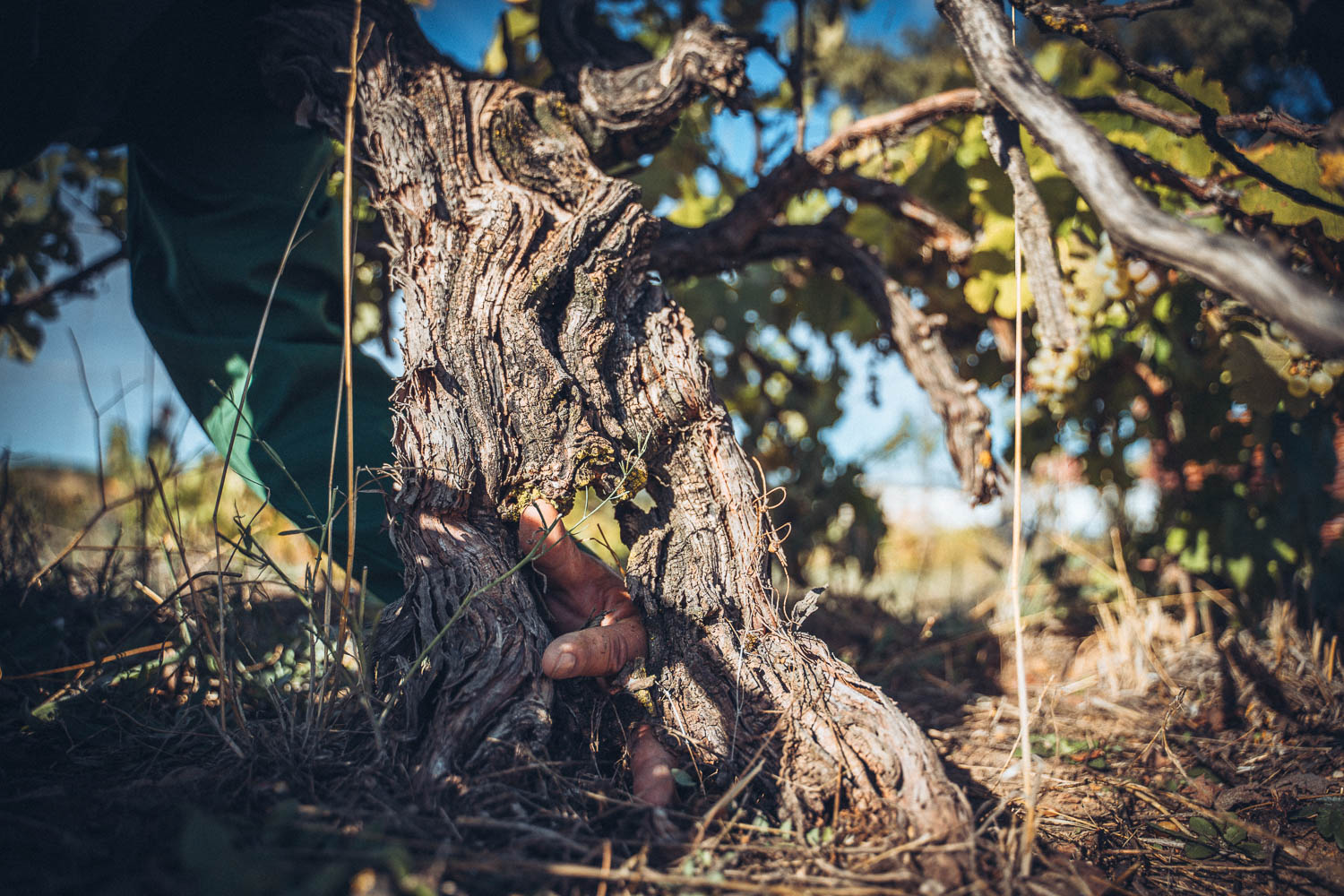
The first step in the recovery process is a detailed evaluation of the vineyard. This includes a thorough analysis of the soil, vines, and the general environment of the vineyard. Our expert viticulturists conduct soil tests to determine its composition and structure, identifying nutrient deficiencies and potential drainage issues. They also assess the condition of the vines, identifying those that can be recovered and those that need replacement.
Pruning And Cleaning
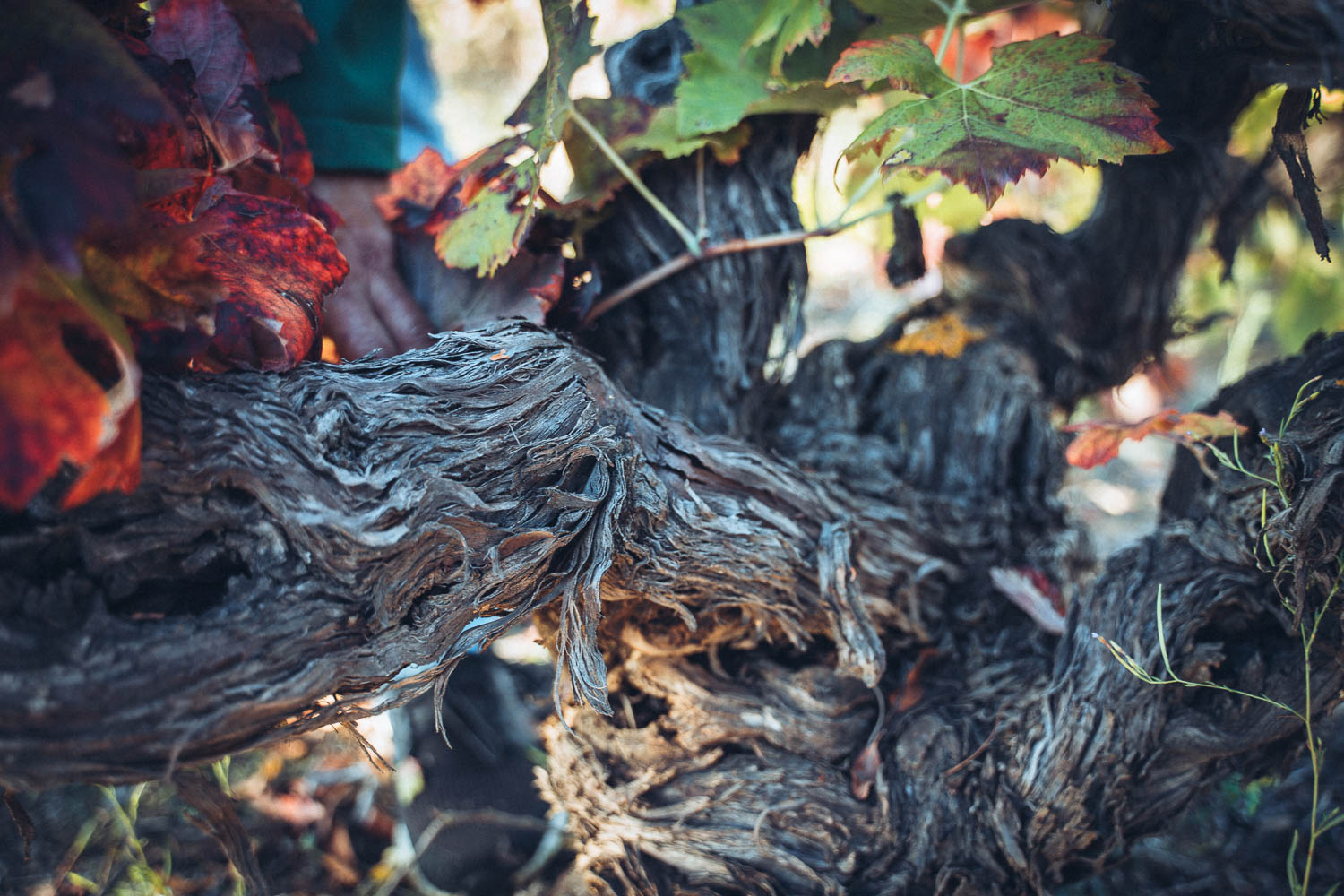
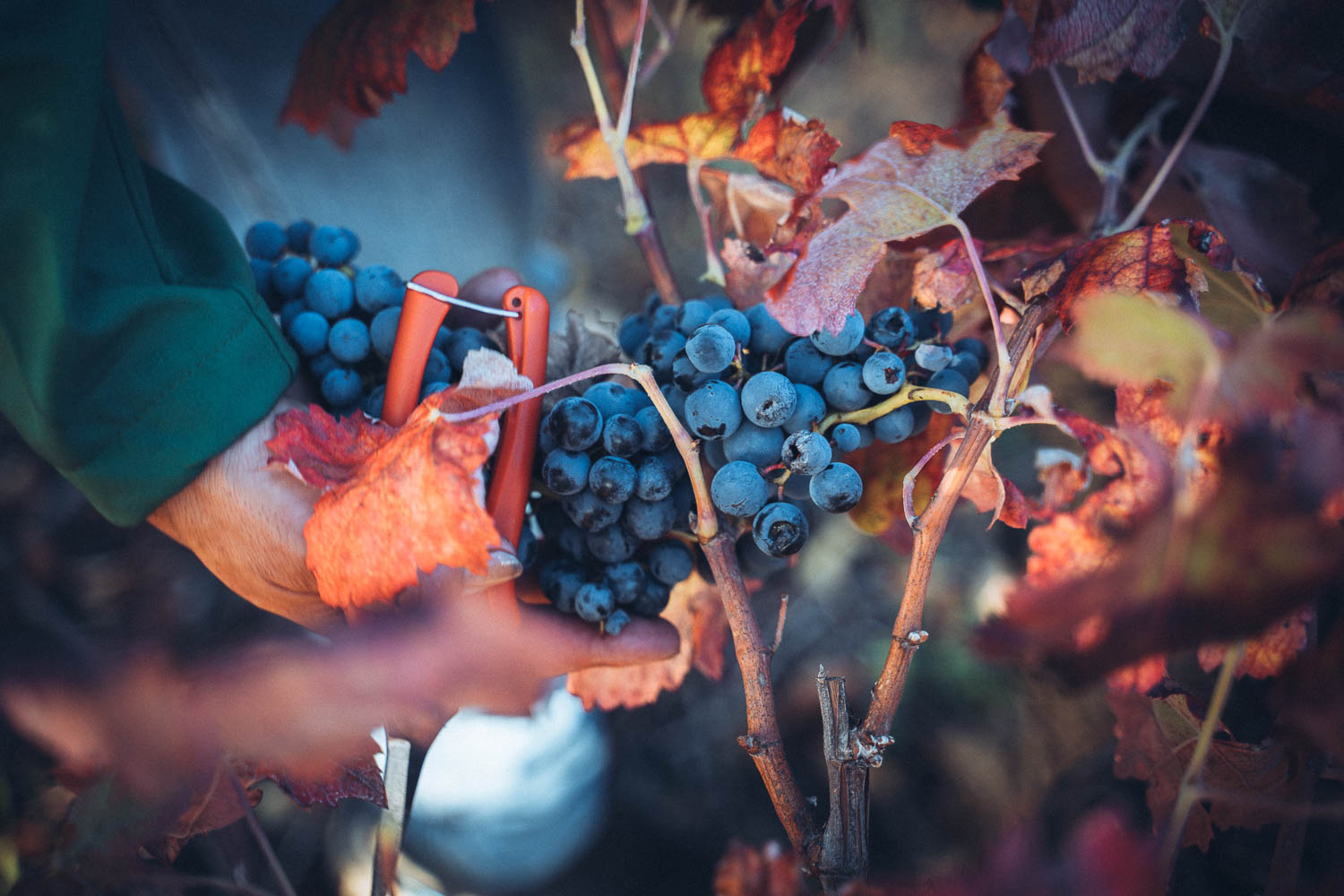
After the evaluation is complete, we proceed with pruning and cleaning the vines. Pruning is a crucial step to remove damaged or dead parts of the vines, allowing them to focus their energy on healthy areas. Specific pruning techniques are used for each type of vine to ensure robust and balanced growth. Cleaning the vineyard also involves removing weeds and other obstacles that could compete with the vines for vital resources.
Soil Enrichment
Soil enrichment is fundamental to the revitalization of the vineyards. We apply organic compost and other natural amendments to improve soil fertility and structure. This process not only provides essential nutrients to the vines but also enhances the soil’s ability to retain water and air, creating an optimal environment for root growth. Additionally, we implement cover cropping techniques to prevent erosion and increase soil biodiversity.
Grafting Techniques
In some cases, we use grafting techniques to revitalize historically valuable but deteriorated vines. Grafting involves joining a healthy vine to a resilient rootstock, combining the best characteristics of both plants. This technique helps recover ancient and rare varieties, ensuring their continuity and productivity. Grafts are performed with precision and care to guarantee a high success rate and vigorous growth.
Sustainable And Organic Practices
Our commitment to sustainability is reflected in every stage of the recovery and cultivation process. We employ organic farming practices that minimize the use of synthetic chemicals, protecting the environment and promoting the vineyard’s ecosystem health. Biodiversity is encouraged by planting cover crops and creating habitats for beneficial insects and other organisms that naturally control pests.
Training And Education
Finally, we believe in the importance of continuous training and education for our team and local communities. We organize workshops and training sessions on sustainable viticulture techniques and recovery practices, sharing knowledge and fostering a community-based approach to vineyard conservation and revitalization.
Laboratory Analysis Of Unknown Varieties And Partnership With ITACYL
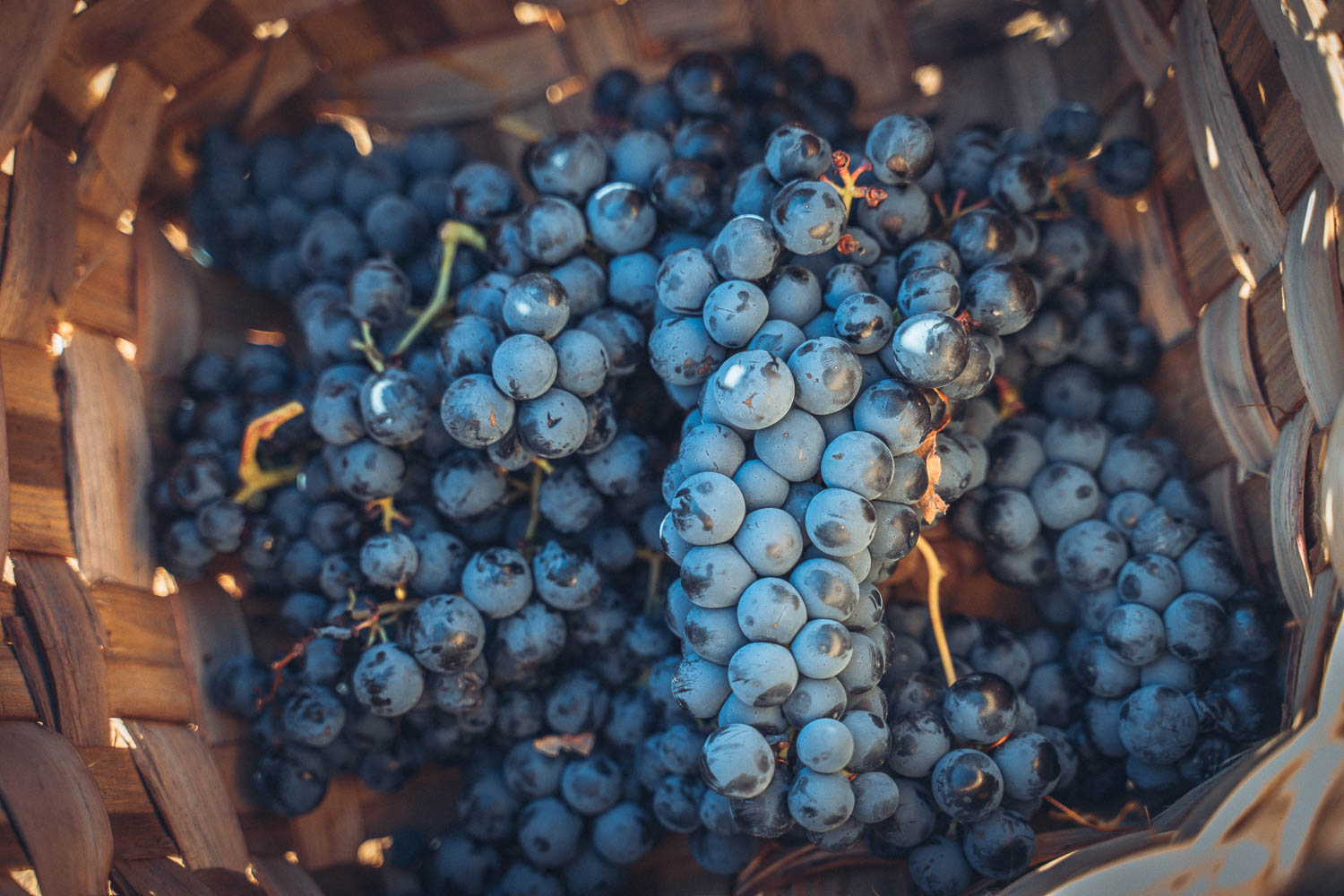
Laboratory analysis of unknown grape varieties is a crucial component of Ergo Atlantis’ vineyard resurrection process. This step allows us to identify and better understand the unique characteristics of grapes from forgotten vineyards, many of which belong to ancient and rare varieties that have been overlooked over time. Using advanced techniques and a rigorous scientific approach, in collaboration with ITACYL (Agricultural Technology Institute of Castilla y León), we uncover the secrets of these grapes, ensuring that each bottle of SangReal faithfully represents its origin.
Genetic Identification
The first step in analyzing unknown varieties is genetic identification. We use DNA techniques to precisely determine the identity of the grapes. This analysis helps distinguish between different varieties, even those that appear similar at first glance. Genetic identification is fundamental to preserving the authenticity and integrity of the rescued grapes, ensuring that each one is accurately cataloged and treated according to its unique characteristics.
Physicochemical Analysis
Once identified, the grapes undergo detailed physicochemical analysis. This includes evaluating parameters such as sugar content, acidity, pH, and the concentration of phenolic and aromatic compounds. These data are essential for understanding the oenological potential of each variety and determining the best winemaking practices. With this information, we can fine-tune the fermentation and aging processes to highlight the intrinsic qualities of each grape, creating wines that reflect their distinctive character.
Sensory Evaluation
In addition to genetic and physicochemical analysis, we conduct sensory evaluations of the grapes and the wine produced from them. This process involves tastings by a panel of expert winemakers who examine the wine’s aromas, flavors, and textures. Sensory evaluation complements scientific data, providing a holistic view of each variety’s oenological potential. Tasting notes guide the blending and winemaking processes, ensuring that each wine is balanced and complex.
Experimental Microvinifications
To deepen our understanding of each variety, we carry out experimental microvinifications. This approach involves producing small batches of wine using different techniques and winemaking conditions. Microvinifications allow us to experiment with factors such as fermentation temperature, yeast types, and aging regimes, identifying optimal conditions for each variety. The results of these tests are analyzed and used to refine the full-scale wine production process.
Preservation And Documentation
All information obtained through laboratory analysis is meticulously documented and preserved. We maintain detailed records of the genetic, physicochemical, and sensory characteristics of each variety, creating a database that can be used for future research and winemaking projects. This documentation is essential for preserving acquired knowledge and ensuring the continuity and evolution of our oenological methods.
Innovación y Desarrollo
El análisis en laboratorio también impulsa la innovación y el desarrollo en nuestra viticultura. Al comprender mejor las propiedades únicas de cada variedad, podemos desarrollar nuevas técnicas y enfoques que mejoren la calidad y la sostenibilidad de nuestros vinos. La investigación continua y la aplicación de nuevos conocimientos son fundamentales para mantenernos a la vanguardia de la viticultura y ofrecer vinos excepcionales que capturan la esencia de las viñas resucitadas.
Scientific Collaboration
At Ergo Atlantis, we believe in the importance of scientific collaboration. We work closely with RedLab Enological Laboratory and other research centers, sharing knowledge and results to advance the understanding of ancient and unknown grape varieties. These collaborations enrich our approach and contribute to the overall development of viticulture, benefiting both our winery and the broader oenological community. The laboratory analysis of unknown varieties is a fundamental pillar in Ergo Atlantis’ vineyard resurrection process. Through rigorous scientific methods and a dedication to innovation, we uncover the secrets of forgotten grapes, ensuring that every wine produced is a celebration of its history and a masterpiece of oenology.