







Location And Characteristics

Location And Environment
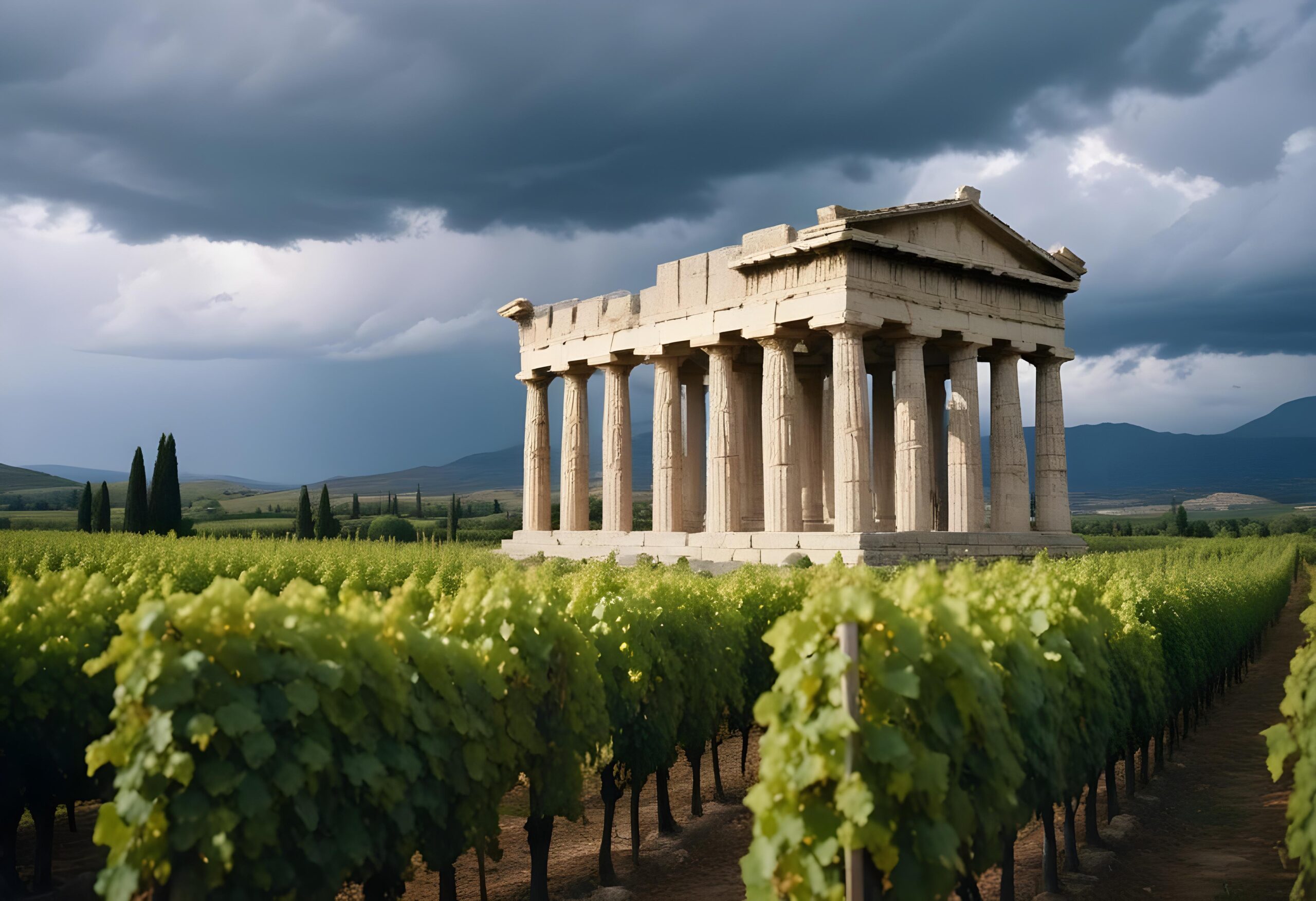
The resurrected vineyards are situated in random enclaves, extremely small plots in areas historically renowned for their exceptional capacity to grow high-quality vines. These locations were chosen for their unique soil, climate, and topography, offering ideal conditions for viticulture. The geographical diversity of these vineyards provides a wealth of terroirs, each with its own microclimate and soil composition, contributing to the complexity and uniqueness of the cultivated grapes.
Resilient Vines
The vines in these vineyards have shown remarkable survival abilities. Despite decades of neglect, these plants endured the elements and lack of care, developing robustness and adaptability that result in grapes with unique character.
Each vineyard’s story is one of abandonment and resurgence, where every plant tells a tale of resilience and rebirth. Many of these vines, featuring old and rare varieties, have been brought back to life using traditional and advanced cultivation techniques. Our team of viticulturists has worked tirelessly to recover these plants, employing pruning, grafting, and soil management methods that respect and enhance their original characteristics.
Soil And Climate
The soil of the resurrected vineyards is one of their most distinctive aspects. Rich in minerals and with a structure that promotes drainage, these soils have been carefully revitalized to support vine growth. The soil composition varies across the different plots, providing a diversity of nutrients that enrich the grape profile.
The climate of Ribera del Duero is another crucial factor. With a perfect balance of sunny days and cool nights, these climatic conditions allow for the slow, uniform ripening of the grapes, developing a concentration of sugars and aromatic compounds reflected in the wine’s quality. Additionally, the altitude of some vineyards contributes to greater temperature variation, enhancing the acidity and balance of the grapes.
Biodiversity
At Ergo Atlantis, biodiversity and sustainability are fundamental pillars of our philosophy. The resurrected vineyards are not just an example of oenological recovery but also of ecological regeneration. By promoting sustainable farming practices, we have created an environment where local flora and fauna can thrive alongside the vines.
We have implemented cultivation methods that minimize environmental impact, such as organic agriculture and permaculture, ensuring that the vineyard is a healthy and balanced ecosystem. This approach not only improves grape quality but also contributes to preserving the natural environment for future generations.
Impact On The Wine
The uniqueness of the resurrected vineyards is evident in every bottle of SangReal. The grapes grown in these vineyards bring depth and complexity, resulting from the soil characteristics, climate, and ancient varieties. The resurrection process and meticulous care of each vine ensure that the grapes are of the highest quality, allowing for the creation of truly exceptional wine.
The resurrected vineyards of Ergo Atlantis are a symbol of rebirth and excellence. By bringing these forgotten vines back to life, we are not only preserving an oenological legacy but also creating a wine that captures the essence of history, mystery, and passion. Every sip of SangReal is a celebration of these unique vineyards, a sensory experience that transports the taster on a journey through time and nature.
Why Are Vineyards Abandoned?
The history of forgotten vines in Ribera del Duero is a narrative of socioeconomic changes, migrations, and family decisions that have shaped the region’s wine landscape. These vineyards, once the heart of local viticulture, were abandoned for several reasons that reflect the evolution of society and the economy over the years.
Shift In Production
Shift In Production

In the past, many winemakers in Ribera del Duero faced the reality that other types of crops and agricultural production offered greater profit margins. The increasing demand for products like cereals, sugar beets, and other industrial crops led to vineyards being progressively relegated.
These decisions, driven by economic necessity and the pursuit of a better life, left many vineyards unattended, allowing nature to take over these lands rich in history and tradition.
Migrations
Migrations

Another significant reason for vineyard abandonment was the migration of rural populations to cities and other countries in search of better job opportunities. During the 20th century, many residents of Ribera del Duero were forced to leave their lands to seek employment in urban areas or abroad.
This rural exodus left numerous vineyards without care, as families who migrated could not maintain their connection to the land they had left behind. The vines, which had been meticulously cultivated for generations, were left untended, waiting for rediscovery and resurrection.
Aging Population
Aging Population

In other cases, the aging rural population played a crucial role in the abandonment of vineyards. As winemakers grew older, it became increasingly difficult for them to continue the arduous and constant work required by the vines.
Without descendants interested or able to take over vineyard care, these lands were left to time. The vines, though strong and resilient, could no longer thrive without human touch, remaining as a latent legacy of effort and dedication.
Inheritances
Inheritances

Finally, many vineyards were forgotten due to unclaimed or uninterested inheritances. With migration and generational changes, many heirs of vineyards in Ribera del Duero found themselves living far away or uninterested in viticulture.
However, the inherited lands hold immeasurable historical and sentimental value, a testament to family roots and the region’s rich winemaking tradition. Unfortunately, the lack of interest or inability to maintain these vineyards led to their abandonment, allowing nature to take control.